
 TH
THArticle
10.12.2025
Building defects stem from only 4 underlying causes !
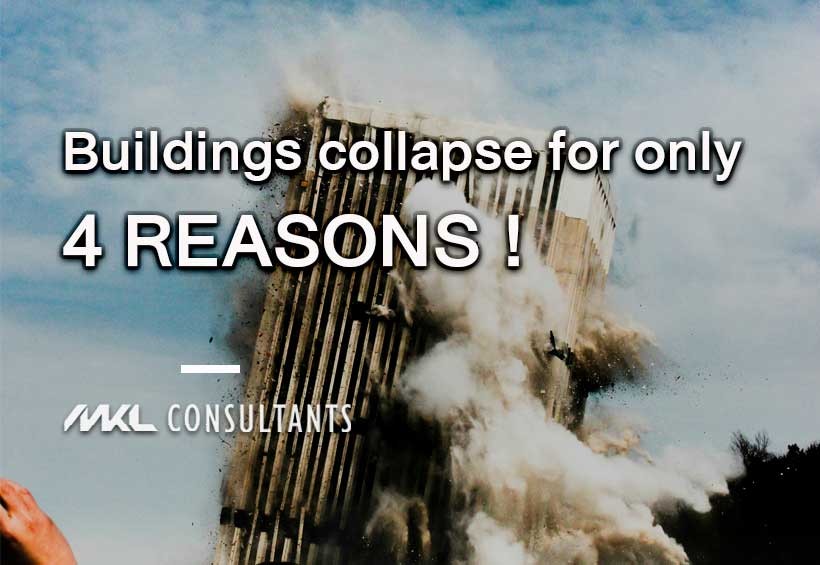
Buildings and structures may collapse, fail, or develop defects—referred to in technical terms as “defects”, which are categorized into two types: Patent Defects (Visible Defects) and Latent Defects (Hidden Defects). These issues arise from only four fundamental causes, either individually or in combination, summarized as follows:
| Causes Related to Design
Before any structure becomes a physical reality, it must begin with a design. Designers translate the project owner’s requirements—both functional and emotional—into technical drawings and specifications that form the blueprint for construction. Therefore, if these design documents are based on inaccurate or incomplete information, or if the design contains significant technical errors, problems will inevitably arise, such as:
- Designing a warehouse with load calculations far below actual usage, causing floor cracks during operation due to excessive loading.
- Designing foundations without soil investigation results, creating a risk of structural failure or abnormal settlement during construction or use.
- Designing in violation of legal requirements because the designer lacks experience with that building type and is unaware of applicable regulations, resulting in completed projects that must be demolished for corrective action.
Preventive Measures:
Project owners should thoroughly analyze and define their requirements and place strong emphasis on selecting qualified designers—particularly those experienced in the relevant building type. Without this, designers may overlook legal requirements or misunderstand the lifecycle of the asset.
| Causes Related to Poor Construction Quality
Construction transforms the “design blueprint” into physical form using various resources. If these resources are substandard or if construction procedures deviate from engineering principles, defects will emerge—either during construction or after the building is in use. These can be categorized as follows:
- Man (Personnel):
Lack of skilled labor leads to non-compliance with drawings. For example, improper concrete cover allows air and moisture to reach reinforcement steel, causing corrosion and cracking.
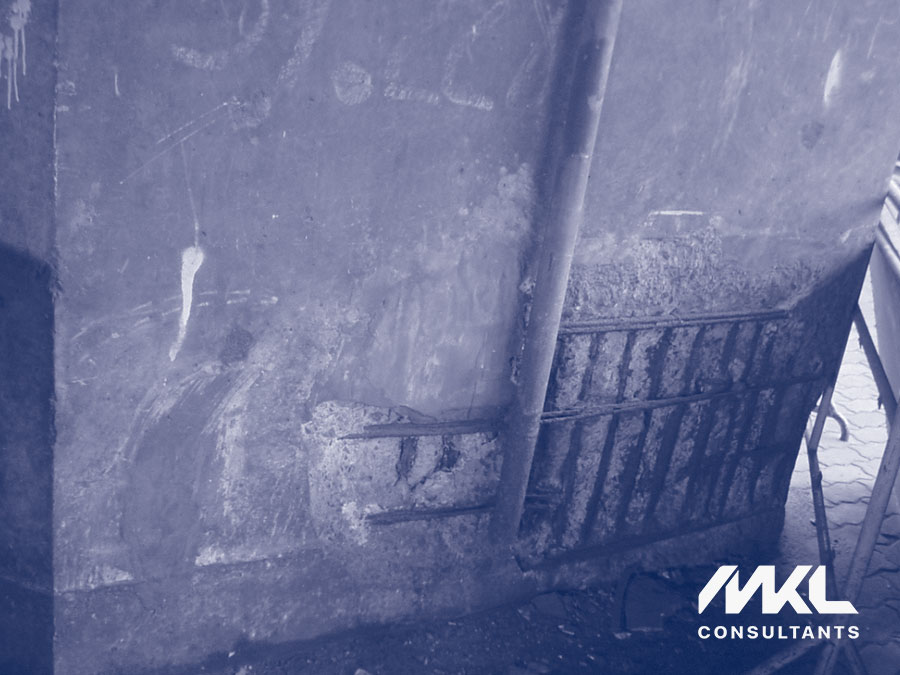
Reinforcing steel lacks the required concrete cover.
- Material:
Using materials that do not meet specifications—or are low quality—such as heavily corroded steel, resulting in reduced load-carrying capacity and shortened structural lifespan. - Machine (Tools/Equipment):
Poorly maintained or substandard machinery may cause failures. Common examples include tower crane accidents due to lack of maintenance, or formwork collapse during concrete pouring, resulting in compromised structural integrity even after repair. - Method (Work Methods):
Absence of shop drawings leads to insufficient detail for both contractors and inspectors, causing rework or demolition for corrections. - Process (Construction Process):
Incorrect sequencing—for example, pile driving adjacent to newly cast precast elements—creates vibration that reduces the concrete’s load capacity.
Preventive Measures:
The solution parallels design-related issues: invest in selecting competent contractors. Even the best design cannot compensate for inadequate execution.
| Causes Related to Material Deterioration
Even with a sound design and competent construction, once a building is handed over for use, its materials and components inevitably deteriorate over time. Each material has a different service life. If deteriorated components are not repaired promptly, the damage may spread and affect other parts of the structure. Deterioration accelerates in harsh environments or when original defects (design or construction issues) are not properly corrected—for example, treating symptoms instead of root causes.
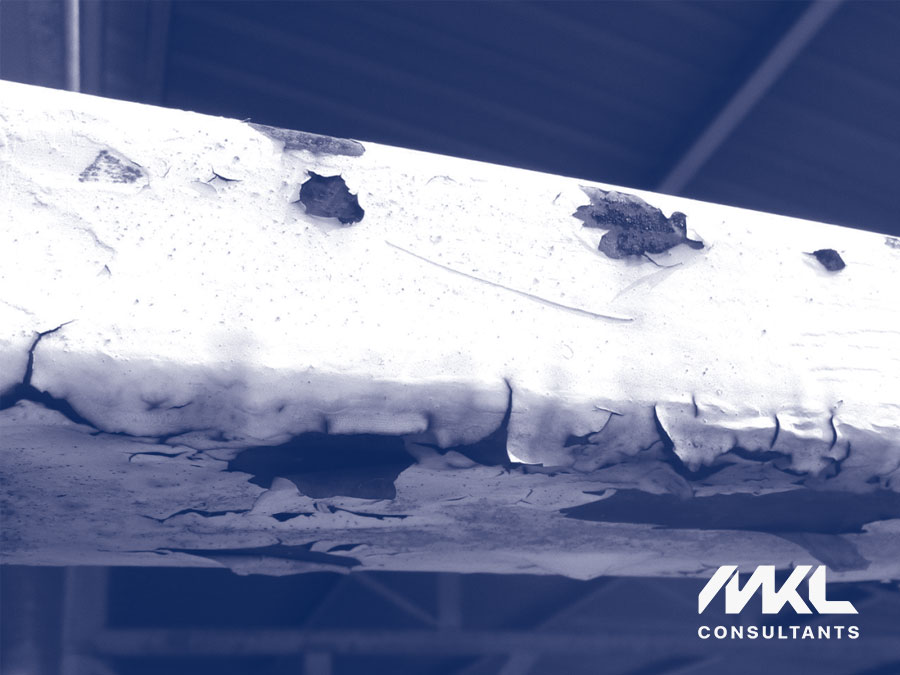
Materials will inevitably deteriorate over time.
Preventive Measures:
Regular and technically sound maintenance is essential to preserve the condition, performance, and safety of the building.
| Causes Related to External Damage
During design and construction, engineers establish assumptions regarding loads and external forces—such as usage loads or wind forces—based on owner input and technical standards (including legal requirements).
If actual conditions during usage or construction exceed these assumptions, or if unexpected external forces arise, defects will occur. Examples include:
- Misuse of the building:
A building approved for residential purposes but used for heavy storage may develop cracks and potentially fail.
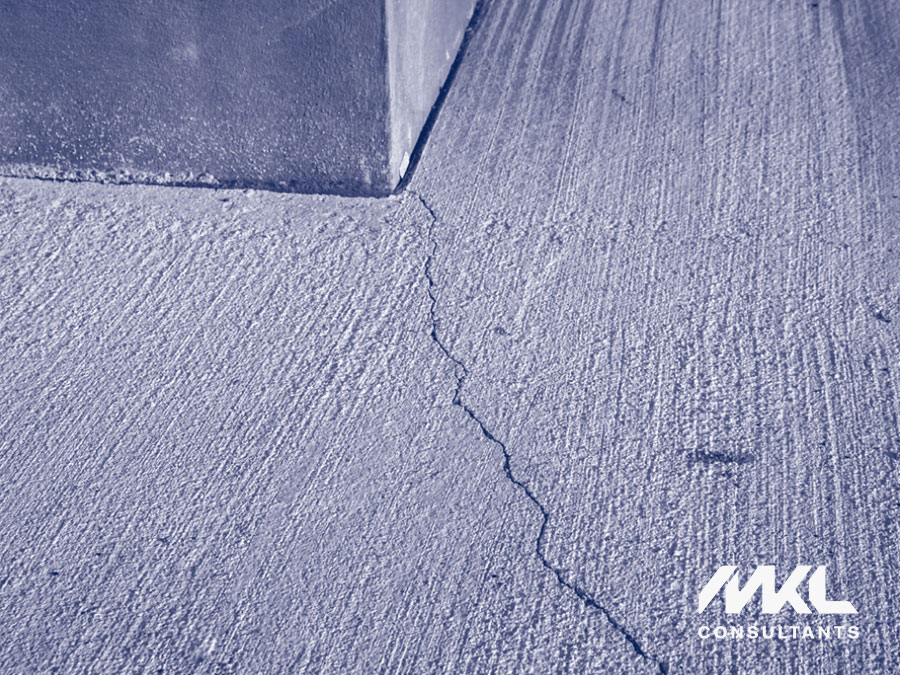
Excessive loads beyond the assumed design capacity caused the floor to crack.
- Natural disasters:
Strong winds or earthquakes may impose forces exceeding design limits, leading to structural collapse.
Preventive Measures:
Actual conditions should be controlled to remain within design assumptions—for example, avoiding overload. Alternatively, design assumptions should be aligned with expected real conditions, as described in the first section.
In Summary
Buildings perform well only when preventive measures effectively eliminate the root causes of defects outlined above. Therefore, both government and private sectors have established various legal and procedural systems to prevent these issues, such as:
- The government requires construction permits to verify compliance with legal standards for the intended use.
- Certain building types must undergo regular condition assessments, with results submitted to local authorities for certification to ensure continued safety.
- Project owners hire construction consultants to supervise contractors and ensure compliance with design and engineering standards.
- Project owners engage legal consultants to review contracts with project partners, helping ensure the delivery of quality work.